

Truth and Identity. What You Lose When You Finally See Clearly.
The most expensive thing truth asks for is the story you built yourself on.

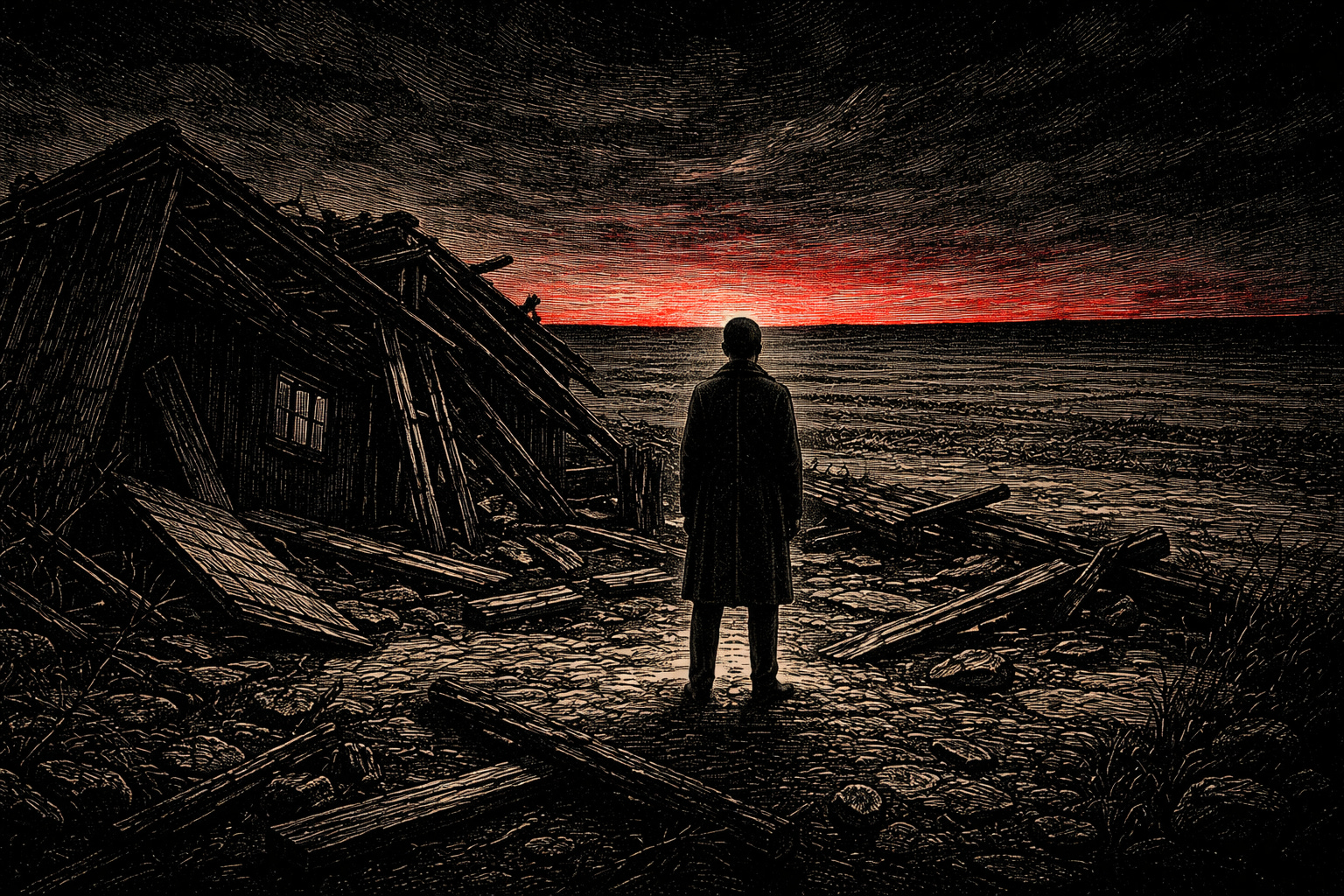
Most people think the hardest part of truth is seeing it.
It is not.
Seeing it is uncomfortable but manageable. The moment of recognition. The specific feeling of something clicking into place that you knew was there but had not looked at directly yet.
That part is hard but survivable.
The hardest part is what comes after.
Because the truth does not just change what you know.
It changes who you are.
And most people are not prepared for that cost when they go looking for clarity.
What identity actually is
Your identity is not who you are.
It is the story you have constructed about who you are.
The account you have built across years of experience and decision and interpretation. The coherent narrative that explains why you think the way you think, why you do the things you do, why the things that happened to you happened and what they mean and where they are taking you.
That story is not neutral.
It is the framework through which you interpret everything.
Every new piece of information that arrives gets filtered through the story. Every decision you make gets made from inside it. Every version of yourself you present to the world is shaped by it.
The story is not just something you have.
It is something you are.
Which is why truth is so expensive when it contradicts the story.
Because it is not just asking you to update your information.
It is asking you to rebuild the framework.
What you lose when you finally see clearly
The first thing you lose is certainty.
The comfortable certainty of a person who knows who they are and why they are that way and what they believe and where they are going. That certainty is not real. It was always the story pretending to be solid ground. But it felt real. And losing it feels like losing the ground beneath you even when the ground was never actually there.
The second thing you lose is the explanation.
The story you told yourself about why your life looks the way it does. The account of your failures that placed the cause outside yourself. The narrative about your relationships that made the dynamic someone else’s fault. The version of your history that allowed you to arrive at the present moment without having to fully account for the decisions that produced it.
All of that goes.
Not immediately. Not cleanly.
But once you have seen the truth clearly enough the old explanations stop working. They lose their ability to satisfy. You can still reach for them but they feel hollow in a way they did not before.
The third thing you lose is the version of yourself that the story made possible.
The identity that was constructed on top of the comfortable lie. The person you presented to the world. The character you played in your own account of your life.
That version of yourself cannot survive the truth intact.
It has to be rebuilt from the actual ground level.
And that rebuilding is the loneliest and most difficult work a person can do.
Why most people stop here
This is the moment most people turn back.
Not because they cannot handle the truth.
Because the cost of seeing clearly is higher than they expected.
They thought the truth would set them free immediately. That the clarity would arrive and the relief would follow and the new version of themselves would emerge quickly from the wreckage of the old one.
It does not work that way.
The clarity arrives and then the work begins.
The work of sitting with a version of yourself that no longer has the story to hold it together. The work of rebuilding an identity without the comfortable lie as the foundation. The work of becoming someone new without knowing exactly who that person is yet or how long the becoming will take.
Most people look at that work and decide the comfortable lie was not so bad after all.
And they go back.
Not to the full original version of the story. You cannot unsee what you have seen.
But to a slightly adjusted version. Close enough to the truth to feel honest. Far enough from it to avoid the full cost of the reckoning.
That adjusted version is its own kind of trap.
And it costs more than either the full lie or the full truth would have.
What survives the seeing
Not everything is lost.
The experience survives. Everything you have lived through and built from and learned the hard way. The specific knowledge that comes from having been through enough to have a perspective that cannot be borrowed from someone else.
The capacity survives. The ability to think clearly and build deliberately and navigate difficulty without collapsing. All of that was always yours. The story did not create it. It just took credit for it.
The values survive. The things you actually care about underneath the performance of caring about them. The line you will not cross regardless of what is on the other side of it. The specific things that matter to you when everything else is stripped away.
What does not survive is the version of yourself that needed the story to feel solid.
And losing that version is not the tragedy it feels like in the moment.
It is the prerequisite.
Who you become after
The identity built after truth is different from the one built before it.
Not because it is perfect or complete or finally finished.
But because it is built on something real.
Not on the story of who you wanted to be or who you were told you were or who you needed to appear to be to maintain the relationships and the reputation and the comfortable account of your life.
On the actual ground level.
On what is actually true about who you are and what you have been through and what you believe and what you are capable of and what you want and what you will not compromise regardless of the cost.
That identity does not require maintenance.
It does not need the careful management of what you look at and what you do not. It does not need the constant adjustment of the story to account for new evidence. It does not need the energy of keeping a comfortable lie in place.
It just is.
And it compounds.
Not because the truth made everything easier.
Because everything you build on actual ground holds in a way that nothing built on the story ever could.
The specific loss worth grieving
I want to name one thing clearly before ending this.
The loss is real.
The version of yourself that the story made possible was real to you even if the story was not. The relationships built around that version were real. The life constructed inside that account of yourself was the only life you had been living.
Losing it is a real loss.
Not a failure.
Not a punishment.
Not evidence that you were wrong to have built it.
Just a loss.
And it deserves to be grieved properly before you build what comes next.
Because the person who rushes past the grief to get to the rebuild is taking the comfortable lie into the new construction.
Just in a different form.
Grieve what the story gave you.
Then build on what is actually true.
That is the sequence that produces something worth having.
Kal