

The Third Kind of Power
Anyone can be cruel. Anyone can be weak. The rarest thing is being strong enough to be kind.

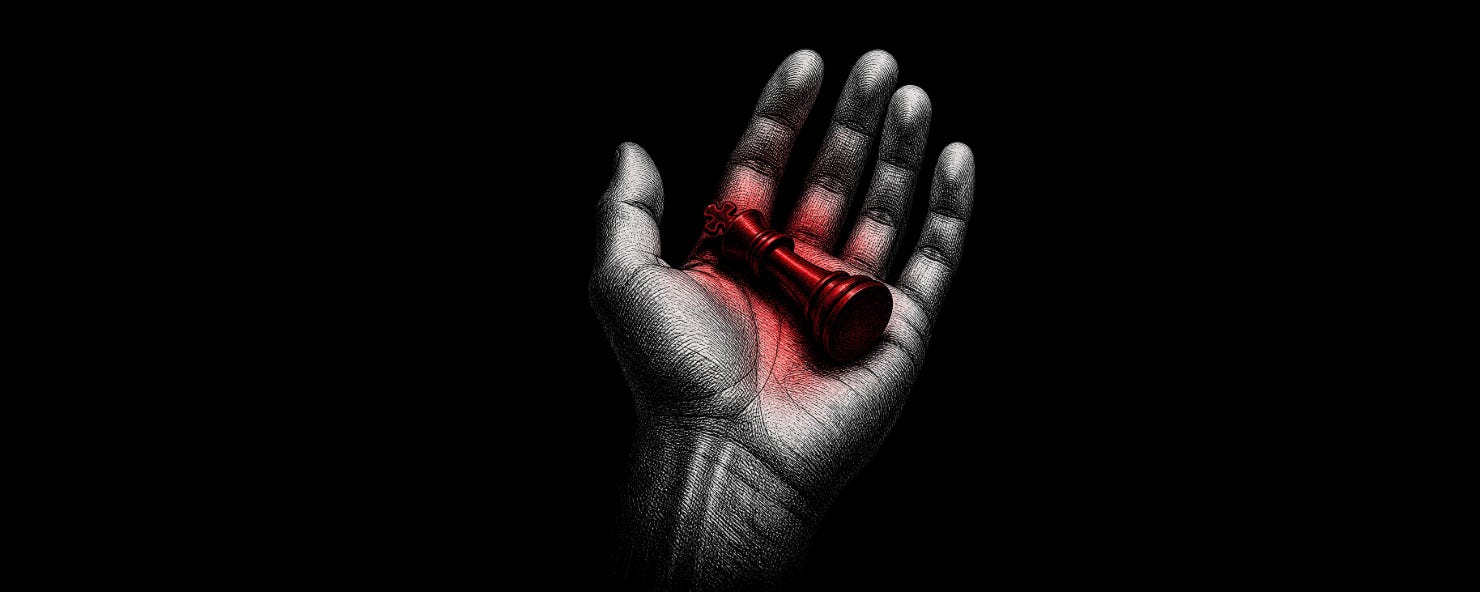
There are two kinds of power most people know about.
The first is the power of force. The ability to make things happen through pressure, leverage, dominance and the willingness to use every advantage available to get what you want. This is the power Greene writes about. The power Machiavelli mapped. The power that fills history books and boardrooms and every room where people are competing for something finite.
It works. In the short term it almost always works.
The second is the power of surrender. The choice to step back. To avoid conflict. To prioritise peace over winning. Most people call this kindness or humility or the high road.
It is not power. It is just the absence of it dressed up as virtue.
The third kind is different from both.
And almost nobody talks about it.
What the third kind looks like
The third kind of power is having every tool available to win by force and choosing a completely different game entirely.
Not because you cannot play the first game. Because you have played it enough to know that winning it is the least interesting thing you can do with what you have built.
The person who chooses empathy because they have no other option is not powerful. They are just making the best of a limited hand.
The person who chooses empathy because they have every option and have decided that empathy is the only one worth exercising.
That is the third kind.
It requires three things that most people never develop simultaneously.
The ability. The awareness. And the restraint.
1. The ability
You cannot choose not to use power you do not have.
This is the part most empathy first frameworks skip entirely because it makes people uncomfortable.
Before you can exercise the third kind of power you have to actually have power. Real leverage. Real capability. Real understanding of how the game works and how to win it.
The person who has never learned how power operates cannot choose to transcend it. They are just operating in ignorance and calling it enlightenment.
You have to know the rules completely before you can make the conscious decision to play by different ones.
That means understanding human nature in all its uncomfortable reality. The way people respond to incentives and threats and status and scarcity. The way leverage works and how it gets applied. The way most interactions have a power dynamic underneath them that most people pretend is not there.
You have to see all of that clearly.
Before you can choose to do something different with what you see.
2. The awareness
Most people who have power do not know they have it.
And most people who have it and know they have it use it unconsciously. Not maliciously. Just automatically. The way anyone uses a tool they have been carrying so long they have forgotten it is a tool.
The third kind of power requires full awareness of what you are holding and what it could do in the wrong hands or in the wrong moment.
It requires seeing the move before you choose not to make it.
That awareness is harder than it sounds. Because the most available moves are often the most tempting ones. The leverage is right there. The weakness is visible. The advantage is obvious. And the brain that has been trained to survive is constantly calculating how to press it.
The third kind of power is the ability to run that calculation and then put it down.
Not because you did not see it.
Because you did. And decided it was not worth what it would cost.
3. The restraint
This is where most people fail even when they have the ability and the awareness.
Because restraint in the face of available power requires a specific kind of security that most people have not yet built.
The security of not needing to win to feel powerful.
The security of not needing to dominate to feel strong.
The security of not needing the other person to lose in order to feel like you have gained something.
That security does not come from success. It does not come from money or status or achievement or any external signal that you have made it to a level where you no longer need to prove anything.
It comes from the inside. From the specific kind of self knowledge that only arrives after you have been through something that stripped away everything you were using to avoid knowing yourself completely.
Loss builds it. Failure builds it. The moment you hit the bottom of something and find out the bottom was not as final as you feared builds it.
After that the restraint becomes possible in a way it never was before.
Because you have already survived the thing you were most afraid of losing.
Which means you have nothing left to prove and nothing left to protect that is worth compromising for.
The choice that costs everything and gives everything back
Choosing empathy from a position of strength is the most expensive thing a powerful person can do.
It costs you the win. The leverage pressed. The advantage taken. The satisfaction of watching the other person understand what you could have done and chose not to.
What it gives back is harder to name but impossible to miss once you have felt it.
The specific integrity of knowing that what you did matched who you are. The specific freedom of not being owned by the outcome. The specific peace of having been fully yourself in a moment that invited you to be something smaller and faster and more efficient but less true.
That is not nothing.
That is everything.
The first kind of power makes you dangerous.
The second kind makes you invisible.
The third kind makes you free.
And freedom was always the only thing worth being powerful enough to choose.
Kal